
Every sales leader knows the coaching math doesn't work. Your best manager can review only a handful of calls a week. So your managers coach most reps rarely, unevenly, and too late to change the deal.
AI sales coaching exists to close that gap. This guide explains what it is, where it fits in your motion, and how to tell real coaching tools from the ones that just record.
Key Takeaways
- AI sales coaching analyzes conversations and delivers feedback before, during, and after calls, so it coaches every rep, not just a lucky few.
- The category splits into three moments, namely pre-call roleplay, real-time in-call assist, and post-call conversation intelligence.
- The stakes are high, because reps spend most of their time not selling and most missed quota last year.
- The real differentiator is the intelligence behind the AI, so coaching built on complete buyer intelligence beats coaching that reads transcripts alone.
- Choose a tool by where coaching needs to land and whether its guidance connects to who the buyer actually is.
What Is AI Sales Coaching?
AI sales coaching uses artificial intelligence to analyze sales conversations and rep behavior. It then delivers feedback, practice, and guidance that help reps improve. Think of it as coaching that reaches every conversation, not just the few a manager can sit in on.
Traditional coaching depends on manual call reviews, ride-alongs, and the occasional training session. That approach captures a small fraction of what your team says to buyers. Worse, it leans on whichever calls a manager happened to hear, so a rep's feedback often depends on luck, not need.
An AI sales coach is not a call recorder. Recording stores what happened. Coaching analyzes the conversation and recommends what to do differently, across the full sales cycle.
That distinction matters, because a lot of products stamp themselves "AI coaching" when they only capture and transcribe. The real test is whether the tool tells a rep how to improve, not just what they said. The quality of that guidance depends on the intelligence behind it, a thread we'll pull on later.
Why Sales Coaching Breaks Down (And Why AI Changes the Math)
Coaching is the first thing to fall off a manager's calendar. Pipeline reviews, forecast calls, and escalations fill the week. So structured coaching becomes a nice-to-have that reaches only the loudest deals or the newest reps.
What's left is inconsistent, subjective, and impossible to scale. The cost is quiet but compounding. Ramp drags, messaging drifts, and win rates plateau because feedback never reaches the reps who need it most.
When coaching reaches only the reps a manager likes or the deals already on fire, your average performer stays average.
The numbers make the squeeze concrete. Reps spend 70% of their time on non-selling tasks, according to Salesforce's 2024 State of Sales report. That leaves little time for practice and feedback.
The pressure builds from there. Gartner's 2024 sales survey found that 72% of sellers feel overwhelmed by the skills their job now demands. Overwhelmed sellers are 45% less likely to hit quota.
Salesforce reported the same strain in quota numbers. In its study, 84% of reps missed quota last year, and 67% don't expect to meet it this year.
AI changes the math by analyzing every conversation instead of a sample. But more analysis isn't the point, and neither is more data.
The job is to prioritize the moments that matter, not to hand managers a longer queue of recordings. Clarity is the goal, not volume.
The 3 Types of AI Sales Coaching
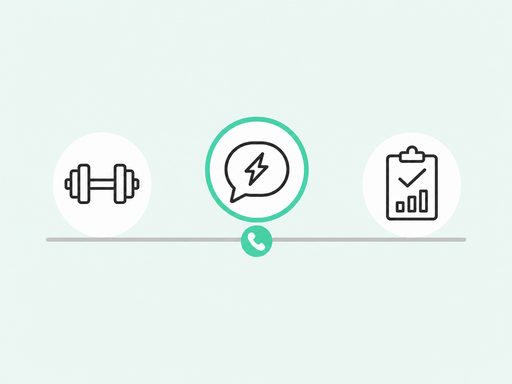
Most tools specialize in one moment of the conversation, which is why a coaching "stack" so often has gaps. A team might own a strong post-call analyzer and still send reps into calls unprepared.
The simplest way to map the category is by when the coaching lands: before, during, or after the call. Each type solves a different problem and has a clear best fit. Here's how they compare.
Pre-Call: AI roleplay and practice
Pre-call tools let reps rehearse against AI buyer personas. A rep can run a cold call, a discovery conversation, or an objection drill without burning a real lead. The tool then grades them on readiness before they ever dial.
This is the batting cage of sales coaching. Reps take their swings in a low-stakes setting, so the live call isn't the first time they hear the hard questions. Repetition builds the muscle memory that keeps a rep calm under pressure.
The fit here is onboarding and new-hire ramp, where repetition matters most. New reps commonly take three to six months to reach full productivity, and that ramp has been getting longer, not shorter. Anything that gets a rep practicing before their first real call pays back quickly.
In-Call: real-time coaching
Real-time coaching works while the conversation is still live. It surfaces objection cues, relevant talk tracks, and next-best actions in the moment. A rep can adjust before the call ends, not after.
This is the only type that can change a call's outcome as it happens. When a buyer goes quiet on price or names a competitor, the rep gets a prompt instead of a regret. Done well, it helps newer reps sound like your top performers on day one.
Common Room's coach works in this moment, surfacing next-best actions and playbook cues live during conversations. The catch is the same across every real-time tool. What separates useful live guidance from noise is whether it actually knows the buyer on the other end.
Post-Call: conversation intelligence
Post-call conversation intelligence records, transcribes, and scores calls against a methodology like MEDDIC, BANT, or SPICED. It tracks talk-to-listen ratios, flags coachable moments, and surfaces team-wide trends. That feeds both manager coaching and the forecast.
This type gives you the deepest analysis but the slowest feedback loop, because the call is already over. It's strong for spotting patterns across dozens of conversations. It's weak for saving the single deal in front of you.
Watch for one trap. A "coaching" tab bolted onto a recorder can tell a rep what they did wrong without showing them how to do it right. That's analysis, not coaching, and reps figure out the difference fast.
What AI Sales Coaching Actually Changes
The practical wins are consistency and scale. The tool coaches every rep on every call, and messaging stays consistent across the team. Managers add coverage without adding hours of review, and ramp speeds up because feedback no longer depends on who happened to listen.
The measurable results deserve care, because vendor math tends to overstate them. Here's what holds up.
Sellers who effectively partner with AI are 3.7x more likely to meet quota, according to Gartner's 2024 survey. The operative phrase is "effectively partner." The lift comes from skilled use, not from switching a tool on and walking away.
Reclaimed time is the quieter story. AI saves sellers about 4.8 hours per week, yet 72% of organizations fail to reinvest that time in high-value work, Gartner reported in 2026.
Coaching pays off only when you push those hours back into selling and skill-building, not into more admin. The tool creates the room. Your operating rhythm decides whether your team uses it.
Zoom out and the direction holds. McKinsey's 2023 research ties AI in sales and marketing to a 3-15% revenue uplift and a 10-20% sales ROI uplift. That range covers AI broadly, not coaching alone.
And CSO Insights research from around 2019 found that structured, dynamic coaching programs correlate with higher win rates. That pattern predates AI entirely.
One thing this doesn't change is the manager's job. AI reads every call so a leader can spend coaching time on the moments that matter. It's leverage, not a replacement, and the same logic applies to reps: the goal is to compound good sellers, not swap them out.
The Missing Layer: coaching grounded in buyer intelligence
Here's what most of the category gets wrong. Nearly every AI coaching tool coaches off the call transcript alone.
A transcript is a record of words. It doesn't know who the buyer is, what's changing in the account, or which deals are quietly drifting away.
That gap matters, because trust in the underlying data is already shaky. Only 35% of sales professionals completely trust their organization's data, according to Salesforce's 2024 report. Guidance built on partial context isn't coaching, it's confident noise, and reps can smell it.
Consider a deal that reads "stage four" in the CRM. On paper, it's marching toward close.
But the buyer went quiet on price two calls back, and that signal sat in a transcript nobody linked to the deal record. A transcript-only coach never catches it, because it doesn't understand the deal, the account, or the person.
The fix is coaching grounded in complete buyer intelligence. That means knowing who the buyer is, what's happening in the account, and which signals point to risk.
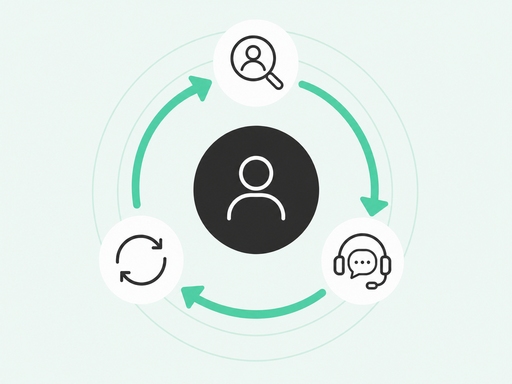
We frame this as Know. Act. Learn.
We know the buyer. We act on that intelligence by coaching the call and flagging drifting deals. And we learn from every outcome, so the next action gets sharper.
That's why coaching is one link in a longer loop, not a standalone feature. You focus on the right buyer, engage them, coach the conversation, and forecast off what really happened. Then you feed the outcome back, so buyer selection and coaching both improve.
Common Room's coach turns customer conversations into live guidance and automatic scorecards, informed by that buyer intelligence. Managers see skill gaps and deal risk without reviewing every recording.
This is also where the Common Room by Zoom pairing fits. Zoom owns the conversation: the calls, meetings, live coaching, and forecasting. We own the buyer context around it, meaning who the buyer is and what's changing in the account.
Together they form a complete revenue operating system. Trusted, person-level buyer intelligence earns its place inside an action layer mature enough to use it. That's the difference between coaching that reacts to words and coaching that understands the deal.
How to Choose an AI Sales Coaching Tool
Start with where coaching needs to land. Deciding whether your biggest gap is before, during, or after the call sorts the market faster than any feature list. Map your gap first, then shop.
From there, a short set of questions does the heavy lifting:
- Does it coach or just record? Look for specific next-best actions, not only a scored transcript.
- Does coaching data reach the system your forecast lives in? Guidance that never touches the CRM stays a silo.
- Will reps adopt it without a full-time program owner? Tools that need constant babysitting quietly go unused.
- Is pricing transparent end to end? Ask about platform fees, implementation, and per-seat add-ons before you sign.
Then ask the question the category tends to skip: does the guidance connect to who the buyer actually is? A coach that understands the account and the deal beats one that reads words in a vacuum. That single criterion separates real coaching from a fancy recorder.
Frequently Asked Questions
What is an AI sales coach?
An AI sales coach is software that analyzes your reps' conversations and delivers feedback, practice, and guidance. Unlike a recorder, it recommends what to do differently, not just what happened.
How much does AI sales coaching software cost?
Pricing varies widely and usually combines a platform fee with per-seat costs, plus possible implementation and add-on charges. Ask for the total across all three before you compare quotes.
Is AI replacing sales reps?
No — AI handles analysis and surfaces guidance so reps and managers spend more time selling and coaching. The quota lift shows up when people partner with AI well, not when they lean on it blindly.
Can ChatGPT be my sales coach?
A general chatbot can help a rep rehearse or draft talk tracks, but it has no view of your calls, your CRM, or your buyers. It gives generic advice, not coaching grounded in your actual deals.
What's the difference between AI sales coaching and call recording?
Recording stores and transcribes conversations. Coaching analyzes them and recommends specific next actions. Many "coaching" features are really recorders that show what went wrong without showing how to fix it.
How long does it take to see ROI from AI sales coaching?
It depends on where you apply it. Pre-call practice tends to show faster ramp first, and results compound as reinvested time flows back into selling.
How to Get Started With Buyer-Intelligence Coaching
If you want to see coaching grounded in complete buyer intelligence, watch it work on your own pipeline. Request a demo and we'll walk through it with your team.